

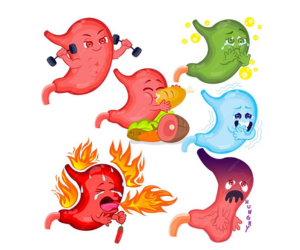
You’ve been eating all the right things—dal, paneer, sprouts, maybe even a protein shake or two—thinking you’re finally on the path to feeling healthy and energetic. But instead of feeling light and active, your stomach decides to throw a tantrum. You feel bloated, gassy, heavy, or even get that annoying acidity creeping in after a healthy meal.
If this sounds familiar, you’re not the only one going through it. And no, it’s not the food’s fault. It’s your digestion that’s struggling, and most likely, it has to do with something called digestive enzymes.
What Are Digestive Enzymes?
Think of your stomach like a desi kitchen. You bring in all these great ingredients—dal, roti, sabzi—but without the right tools (like a mixer, stove, or knife), nothing gets cooked properly. That’s exactly what digestive enzymes are: the unsung kitchen staff of your gut.
- Protease: Breaks down proteins like paneer and dal
- Amylase: Digests carbohydrates such as roti and rice
- Lipase: Handles fats like ghee and nuts
- Lactase: Digests dairy products
When even one of these enzymes isn’t working well, your digestion suffers—even if your meals are clean and healthy.
Why Do Your Enzymes Slow Down?
Several factors can reduce your enzyme production and efficiency:
- Stress: When stressed, your body redirects energy away from digestion, putting it on pause.
- Aging: After 30, enzyme production naturally decreases.
- Processed Foods: Junk food lacks natural enzymes and can weaken your digestive system over time.
- Medications: Overuse of antacids lowers stomach acid, which is necessary for enzymes to work properly.
- Eating Habits: Rushing meals, irregular timings, or eating late at night affects digestion negatively.
Why Protein Can Be Tough to Digest
Proteins are essential for energy, muscle repair, and overall health. However, they are also the hardest macronutrients for your body to break down.
When enzyme levels are low, protein-rich foods like rajma, chana, paneer, and protein shakes can cause:
- Bloating
- Eggy or sulfuric burps
- A heavy feeling lasting for hours
- Loud gas and discomfort
How to Know If You Have Low Digestive Enzymes
Watch out for these signs after meals:
- Bloating even after healthy foods
- Feeling sleepy or sluggish post-meal
- Burping or gas, especially after protein-rich foods
- Undigested food particles in stool
If you notice two or more of these, your enzymes might need support.
Simple Ways to Support Your Digestion Naturally
You don’t always need supplements. Try these home remedies to boost your digestive enzymes:
- Warm Lemon-Ginger Water or Ajwain with Rock Salt: Sip before meals to prepare your gut.
- Start Meals with “Live” Foods: Cucumber slices, soaked almonds, or a fresh kachumber salad kickstart digestion.
- Chew Slowly and Mindfully: Give your stomach a chance by chewing each bite 15-20 times.
- Post-Meal Walks: A gentle 10-minute walk helps move digestion along.
- Traditional Digestive Aids: Jeera water and pudina chutney are excellent natural helpers.
When to Consider Enzyme Supplements
If lifestyle changes don’t help, you may try natural enzyme supplements such as:
- Papaya-based enzymes
- Bromelain (from pineapple)
Always consult your healthcare provider before starting any new supplements.
Easier Proteins for Sensitive Digestion
If heavy proteins cause trouble, switch to gentler options:
- Soaked moong dal
- Soft tofu (especially fermented)
- Well-cooked kala chana
- Homemade paneer in small portions
Pair these with easy-to-digest vegetables like lauki or tinda for smoother digestion.
Final Thoughts: Treat Your Gut with Kindness
Food is meant to nourish you, not cause discomfort. If your healthy meals are upsetting your stomach, it’s a sign to give your gut extra care.
- Eat mindfully and slowly
- Choose foods that are gentle on your digestion
- Listen to what your body is telling you
A little kindness towards your digestive system can make a big difference in how you feel every day.